What Items Can Be Saved After A House Fire?
A house fire can leave behind more than visible flames and burned materials. Smoke residue, soot, heat exposure, and water used during firefighting efforts can all affect your home and belongings in different ways. While some items may be permanently damaged, many others may still have the possibility of being cleaned, restored, or evaluated for recovery.
The items that can be saved after a fire depend on several factors, including the type of material, the level of damage, how long the item was exposed, and whether it was affected by direct flames, smoke, soot, or moisture.
A professional fire damage restoration evaluation can help homeowners understand which belongings may be recoverable and which items may need replacement. Knowing the difference can prevent unnecessary disposal and help you make better decisions during the recovery process.
Not Everything Damaged By Fire Is A Total Loss
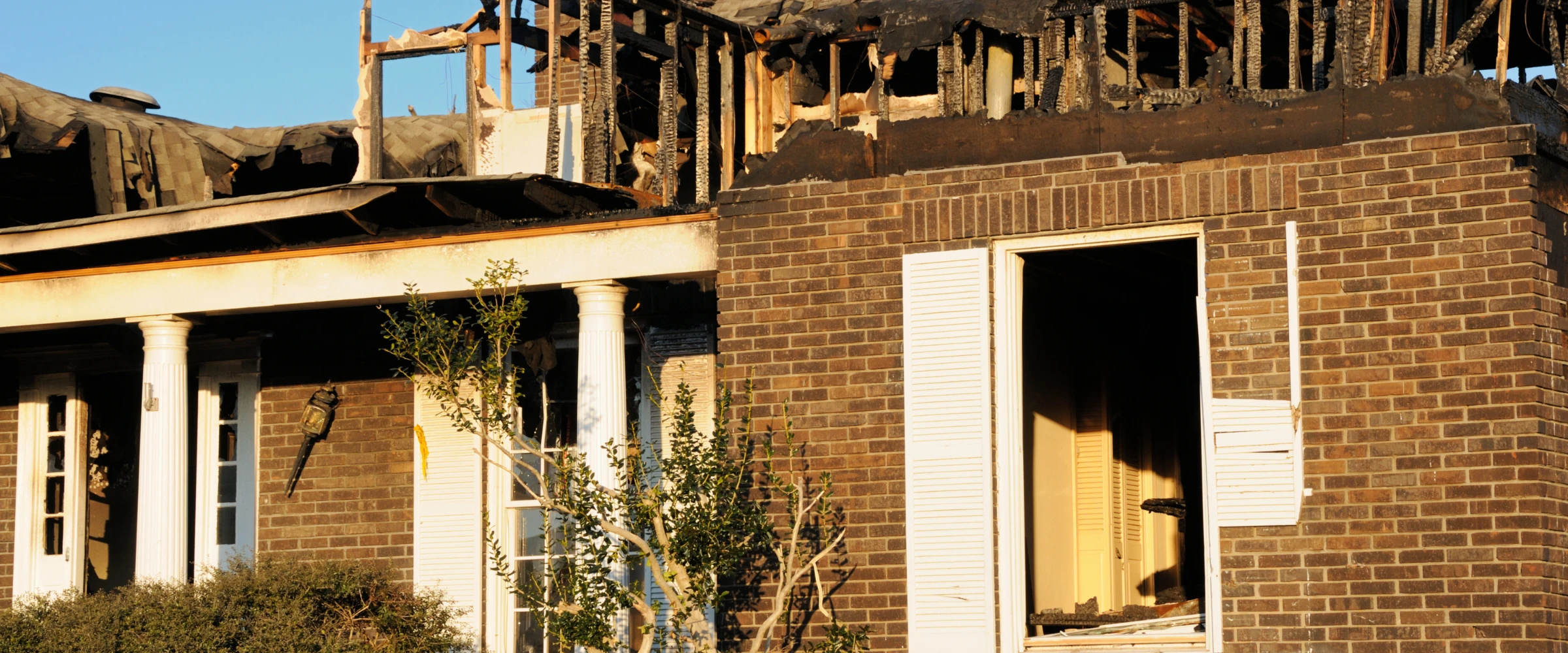
One of the biggest misconceptions after a house fire is that every item inside the home must be thrown away. In reality, fire damage varies significantly from room to room and even from one item to another.
For example, an item located far from the flames may only have smoke residue, while another item in the same room may have direct heat damage. Some belongings may only need cleaning, while others may have damage that affects their safety, structure, or ability to be restored.
The recovery process usually involves evaluating each item individually rather than making one decision for everything inside the home.
Which Household Items May Be Saved After A Fire?
Many belongings may be considered for restoration depending on their condition.
Furniture
Some furniture pieces, especially those made from certain wood, metal, or finished materials, may be evaluated for cleaning and restoration. The possibility of saving furniture depends on factors such as:
Amount of smoke and soot exposure
Heat damage
Material type
Odor absorption
Structural condition
Furniture that has been burned, severely weakened, or heavily contaminated may not be suitable for restoration.
Clothing And Fabrics
Clothing, curtains, blankets, rugs, and other textiles can sometimes be cleaned if they have mainly smoke or soot exposure.
However, fabrics absorb odors easily, and heavily damaged materials may not always be recoverable. The restoration decision depends on the type of fabric, severity of exposure, and overall condition.
Kitchen Items
Some kitchen belongings may survive a fire, especially if they were protected from direct flames. Dishes, cookware, and certain household items may be assessed based on heat exposure and contamination.
Food items, medications, and products exposed to smoke, heat, or firefighting materials should be evaluated carefully before use.
Electronics
Electronics can be challenging after a fire because damage is not always visible. Smoke residue, heat, and moisture can affect internal components.
Televisions, computers, appliances, and other devices may require evaluation before deciding whether repair or replacement is appropriate.
Personal Belongings
Photos, books, decorations, and sentimental items may sometimes be recovered depending on the type and severity of damage.
These belongings can be especially important to homeowners, so careful evaluation may help determine whether restoration is possible.
Understanding The Different Types Of Fire Damage
Fire damage is not limited to burned materials. Several different problems can affect a home after a fire.
Direct Fire Damage
Direct fire damage occurs when flames physically affect materials. This may include:
Burning
Melting
Charring
Structural damage
Loss of material integrity
Items with severe direct fire damage may not be restorable.
Smoke Damage
Smoke can spread throughout a home and affect areas that were not directly touched by flames. Smoke residue can settle on:
Walls
Ceilings
Furniture
Fabrics
Personal belongings
Smoke damage often requires specialized cleaning approaches because different surfaces react differently.
Soot Damage
Soot is a residue created during combustion. It can leave dark staining and may become difficult to remove if handled incorrectly.
Cleaning methods depend on the surface, material type, and amount of residue present.
Water Damage From Firefighting
After a fire, water used to control flames can create additional damage. Moisture may affect:
Flooring
Drywall
Furniture
Personal belongings
Other materials inside the home
Fire recovery often requires addressing both fire-related damage and secondary damage caused during firefighting efforts.
What Determines Whether An Item Can Be Restored Or Replaced?
There is no single rule that applies to every damaged item. Restoration decisions depend on several conditions.
Material Type
Different materials respond differently to heat, smoke, and moisture. Non-porous surfaces may be easier to clean compared with porous materials that absorb odors and residues.
Severity Of Damage
An item with light smoke exposure may have a different restoration possibility than one exposed directly to flames.
Odor Absorption
Smoke odors can become trapped in porous materials such as upholstery, fabrics, and certain unfinished surfaces.
Safety And Function
Even if an item looks acceptable, hidden damage may affect whether it is safe or practical to continue using.
Cost And Practicality
Sometimes restoration is possible, but replacement may make more sense depending on the item’s condition, value, and repair requirements.
Items That Often Require Careful Evaluation
Certain belongings need extra attention because they can hold smoke residue, absorb odors, or contain sensitive components.
Mattresses And Upholstered Furniture
Soft materials can absorb smoke and odors. Restoration depends on the level of exposure and whether the item can be properly cleaned.
Books And Paper Items
Paper products can be affected by smoke, soot, and moisture. Important documents and photographs may require special handling.
Electronics
Electronics may experience hidden damage from heat, soot, or moisture. Internal components can be affected even when the outside appears normal.
Wooden Items
Wood furniture and cabinetry may sometimes be evaluated for restoration depending on finish, heat exposure, and structural condition.
What Should You Do With Belongings After A House Fire?
After a fire, avoid immediately throwing away every damaged item. Some belongings may still have restoration potential.
Helpful steps include:
Document damage with photos and videos.
Make a list of affected belongings.
Keep receipts or records when available.
Avoid disturbing heavily damaged areas if the structure may be unsafe.
Separate unaffected belongings from damaged areas when possible.
Contact your insurance provider to understand documentation requirements.
Insurance coverage depends on your individual policy, the cause of damage, exclusions, limits, and the insurer’s determination.
How Thomas Restoration AZ Helps Homeowners After Fire Damage
Recovering after a house fire involves more than removing burned materials. Homeowners often need help understanding what can be restored, what requires removal, and what repairs are necessary to return the property to a usable condition.
At Thomas Restoration AZ, we help homeowners evaluate fire-affected properties and address issues related to smoke residue, soot, odors, damaged materials, and restoration needs.
Our process focuses on understanding the extent of damage and determining the appropriate next steps for recovery.
If your home has been affected by fire, smoke, or related damage, professional guidance can help you make informed decisions about your belongings and property.
Helpful Resources For Fire Recovery And Home Safety
The following resources can provide additional information about fire recovery, safety, and protecting your property:
Federal Emergency Management Agency (FEMA) Fire Recovery Resources
FEMA provides information about disaster recovery, safety considerations, and resources for homeowners affected by fire-related events.National Fire Protection Association (NFPA)
NFPA offers educational resources about fire safety, prevention, and understanding fire-related risks.U.S. Fire Administration (USFA)
USFA provides public safety information and educational materials related to fire prevention and recovery.Environmental Protection Agency (EPA) Indoor Air Quality Resources
EPA provides information about indoor environmental factors that may be relevant after property damage.
Frequently Asked Questions About Fire Damage Restoration
How quickly should I contact a fire damage restoration company after a fire?
You should contact a professional fire damage restoration team as soon as possible after a fire has been extinguished. Quick action can help reduce further damage caused by smoke, soot, water damage, and moisture left behind from firefighting efforts.
A fast response allows restoration professionals to begin damage mitigation, water removal, smoke cleanup, and emergency board-up services when needed. Acting quickly can help protect your property, secure damaged areas, and prevent additional damage.
What services are included in fire damage restoration?
Fire damage restoration services include several steps to help recover your property after a fire. These services may include smoke cleanup, soot removal, debris removal, water removal, odor treatment, contents restoration, and repairs.
A restoration team will inspect the extent of the fire damage, remove unsafe materials, clean affected areas, and help restore your home or business back to normal. Depending on the situation, services may also include emergency board-up for damaged windows, doors, or other exposed areas.
Can my personal belongings be saved after a house fire?
Many personal belongings may still have a chance to be restored after a fire. Items affected by smoke damage, smoke residue, and soot may sometimes be cleaned through professional contents restoration services.
The ability to restore belongings depends on factors such as the type of material, the level of damage, how long items were exposed, and whether they were affected by flames, smoke, or water damage. A professional evaluation can help determine which items can be saved and which may need replacement.
How does smoke damage affect my property after a fire?
Smoke damage can spread throughout your property, even in areas that were not directly touched by flames. Smoke and soot can settle on walls, ceilings, furniture, personal belongings, and other surfaces.
Without proper smoke cleanup, smoke residue can become harder to remove and may create lasting odors. Professional restoration services use specialized cleaning methods to address smoke damage and help restore affected areas.
Do I need repairs if the fire only affected part of my home?
Yes, even a small fire can cause damage beyond the area where the flames were visible. Smoke, soot, water from firefighting efforts, and heat can affect other parts of the structure.
A fire restoration team can inspect the property to understand the full scope of damage. Depending on the condition, repairs may include cleaning, drying, reconstruction, roof repairs, or replacing damaged materials to help restore your home.
What happens if water damage is left after firefighting efforts?
Water damage after a fire is common because firefighters use large amounts of water to extinguish flames. If moisture is not properly removed, it can lead to secondary damage such as mold growth, damaged materials, and additional repair needs.
Professional restoration services include water removal, drying, and moisture control to protect your property and reduce the risk of further damage.
Do you provide fire damage restoration services for homes and businesses?
Yes, professional fire damage restoration services can help both residential and commercial properties recover after a fire. Whether your home or business has experienced smoke damage, fire damage, water damage, or debris buildup, a restoration team can help with cleanup and recovery.
A trained team can respond quickly, assess the situation, and create a plan based on the condition of your property. Services are available for areas including Phoenix, AZ, Scottsdale, AZ, Chandler, and surrounding locations.
How long does the fire restoration process take?
The timeline for fire restoration depends on the extent of the damage, the size of the property, and the services needed. Small cleanup projects may take less time, while properties requiring major repairs or reconstruction may take longer.
The restoration process may include debris removal, cleaning, drying, odor treatment, repairs, and rebuilding damaged areas. A professional team can review what happened and provide a clearer timeline after inspecting your property.
Conclusion
After a house fire, the question is not always whether everything can be saved or everything must be replaced. Many belongings require individual evaluation based on the type of damage they experienced.
Understanding the difference between direct fire damage, smoke residue, soot contamination, and water damage can help you make better recovery decisions. A professional fire damage restoration assessment can help identify the next steps for your home and belongings.
Thomas Restoration AZ helps homeowners in Gilbert evaluate fire-related damage and work through the restoration process. To discuss your situation, call 480-364-3632 or visit our Contact Us page to get started.