Storm Damage Restoration in Queen Creek, AZ: A Step-by-Step Recovery Guide
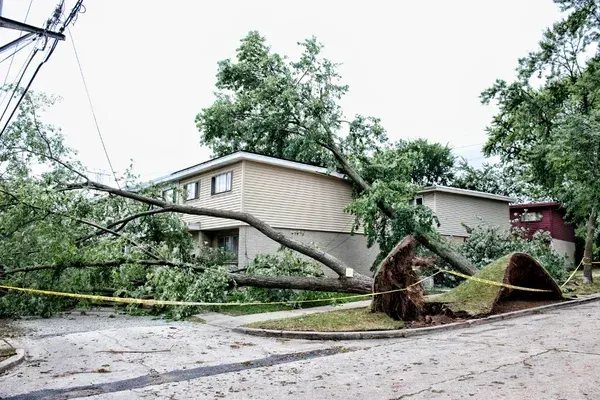
When a powerful Arizona storm rolls through Queen Creek, things can change quickly. One minute, you are watching dark clouds build over the San Tan Mountains. The next, strong winds are pushing rain against your house, water is finding its way inside, and debris is blowing across your property.
Once the weather clears, the big question is simple: What should you do now?
Storm damage restoration in Queen Creek, AZ, is about much more than cleaning up visible water or replacing a few damaged materials. Wind-driven rain can enter through surprisingly small openings. Roof damage can expose the structure below. Moisture can spread behind drywall, beneath flooring, and into insulation before you realize there is a problem.
Knowing what to do and what order to do it in can make the recovery process much easier.
Why Storm Damage Is a Serious Concern for Queen Creek Homeowners
Queen Creek is known for plenty of sunshine, but Arizona weather is not always calm and predictable. During monsoon season, the East Valley can experience intense thunderstorms, strong winds, blowing dust, lightning, and short periods of heavy rainfall.
That combination can be hard on a house.
A storm does not have to last all day to cause significant property damage. A short burst of heavy rain combined with high winds can expose weaknesses around roofing, flashing, windows, doors, exterior walls, and drainage systems.
Common types of storm damage in Queen Creek include:
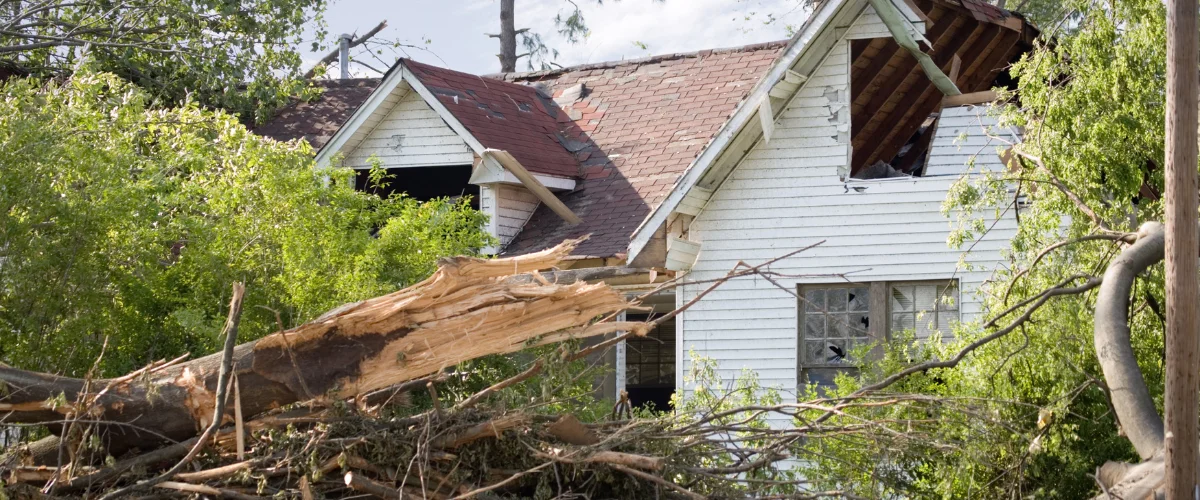
Roof and shingle damage
Wind-driven rain entering the home
Water-damaged ceilings and drywall
Wet insulation
Damaged exterior materials
Broken or damaged windows
Water entering around doors and windows
Fallen branches and wind-blown debris
Garage water intrusion
Attic moisture
Flooring damage
Interior leaks
Moisture behind walls
Mold growth following unresolved water damage
Arizona's dry climate can sometimes give homeowners a false sense of security. You may assume that because the weather becomes hot and dry again, moisture inside your house will simply disappear.
Unfortunately, materials inside walls, flooring systems, cabinets, insulation, and other enclosed areas do not always dry that easily.
Storm Damage Restoration in Queen Creek, AZ: What to Do First
After a storm, it is tempting to immediately start moving things, cleaning water, and inspecting every part of your property. Before you do that, make safety your first priority.
Make Sure the Property Is Safe to Enter
Look around before walking into a damaged area.
Be cautious if you notice:
Standing water near electrical equipment
Sagging ceilings
Major roof damage
Broken glass
Exposed electrical wiring
Structural movement
Fallen trees or large branches
Strong odors
Large amounts of ceiling or wall material on the floor
If an area appears unsafe, keep people and pets away from it until the problem can be properly evaluated.
A ceiling that is holding water deserves particular attention. Water is heavy, and saturated drywall can weaken significantly.
Stop Additional Water Entry When Possible
If rainwater is still entering the house, preventing additional water intrusion becomes a priority.
Depending on the situation, temporary protection may be needed around damaged portions of the building. The goal is to prevent an already difficult situation from becoming worse while the property is being evaluated.
Avoid climbing onto a wet or storm-damaged roof yourself. Roofing materials can be slippery, and storm damage can create unstable areas that are difficult to see from the ground.
Document the Damage
Before major cleanup begins, take clear photographs or video of the affected areas when it is safe to do so.
Document things such as:
Water stains
Wet flooring
Ceiling damage
Roof damage visible from the ground
Damaged belongings
Exterior damage
Fallen branches
Standing water
Damaged windows or doors
Good documentation can help you keep track of what happened and may be useful if you decide to file an insurance claim.
Step 1: Get a Complete Storm Damage Assessment
One of the biggest mistakes you can make after a storm is assuming that visible damage is the only damage.
Imagine that you notice a brown water spot on your ceiling after a Queen Creek thunderstorm. The stain may be the final place water became visible—not necessarily where it entered.
Water could have entered through the roof, traveled along building materials, soaked insulation, and eventually reached the ceiling below.
That is why a proper storm damage assessment should look at the larger picture.
Areas that may need evaluation include:
Roofing
Attics
Ceilings
Walls
Insulation
Flooring
Baseboards
Windows
Doors
Exterior walls
Garages
Cabinets
Adjacent rooms
The objective is to determine both what was damaged and how far the damage extends.
Step 2: Address Emergency Water Intrusion
When water has entered your home, speed matters.
The longer materials remain wet, the greater the possibility of secondary damage. Drywall can soften. Wood can swell. Flooring can become damaged. Insulation may lose effectiveness. Moisture can also create conditions where microbial growth becomes a concern.
If there is standing water, water extraction may be required.
Professional extraction equipment can remove substantial amounts of water quickly. However, removing visible water is only the beginning.
A floor that looks dry on top may still contain moisture underneath.
That leads to the next important stage.
Step 3: Find Hidden Moisture
Hidden moisture is one of the most important parts of storm damage restoration.
Water follows gravity, but it can also travel along seams, framing, gaps, and porous building materials. This means the area where you see water may represent only part of the affected space.
Moisture can hide:
Behind drywall
Under flooring
Beneath baseboards
Inside wall cavities
Around cabinets
In insulation
Under carpet and padding
Around windows
In attic materials
Professional moisture detection helps identify areas that need attention without relying only on what can be seen from the surface.
This step matters because rebuilding too early can trap moisture inside the structure.
Step 4: Remove Materials That Cannot Be Saved
Not every wet material automatically needs to be removed.
Some materials can be dried successfully, while others may be too damaged, contaminated, or deteriorated to remain.
The decision depends on several factors, including the material itself, how wet it became, how long it stayed wet, and the overall condition of the affected area.
Materials that may require removal can include:
Saturated drywall
Damaged insulation
Wet carpet padding
Severely damaged flooring
Swollen trim or baseboards
Damaged ceiling materials
Unsalvageable cabinetry components
The goal should not be unnecessary demolition. The goal is to remove what needs to come out while preserving materials that can safely and reasonably be restored.
Step 5: Dry the Structure Properly
Arizona heat does not replace professional structural drying.
Opening a few windows and pointing household fans at a wet wall may help with minor surface moisture, but storm-related water can penetrate much deeper.
A professional drying process may involve air movers, dehumidification equipment, moisture monitoring, and controlled airflow.
Why Dehumidification Matters
As wet materials release moisture, that moisture enters the surrounding air.
Dehumidifiers help remove moisture from the air so that evaporation and drying can continue effectively. Without proper humidity control, the drying process may take longer.
Why Moisture Monitoring Matters
Drying should not be based entirely on how something feels when you touch it.
Materials can feel dry on the surface while retaining moisture internally. Moisture measurements help determine whether affected areas are actually progressing toward appropriate drying conditions.
Step 6: Clean and Address Affected Areas
Storm water can carry dirt, dust, debris, and other unwanted material into a house.
This is especially important in Queen Creek, where strong winds and dust can accompany summer storms. When wind-driven rain enters through damaged building materials, cleanup may involve more than simply drying water.
Affected areas may need cleaning before restoration work moves forward.
The exact process depends on what happened, what materials were affected, and the source of the water.
Step 7: Watch for Mold After Storm Damage
Homeowners often ask how quickly mold can become an issue after water damage.
There is no single timeline that applies to every property because conditions vary. What matters is that prolonged moisture creates an environment where mold can develop.
That is another reason you should not ignore a small leak simply because the visible stain stopped growing.
Possible warning signs include:
Musty odors
Discoloration
Persistent dampness
New staining
Warped materials
Visible growth
Recurring moisture
Finding and correcting the moisture source is essential. Simply covering a stained area with paint does not solve an underlying moisture problem.
Step 8: Repair the Source of the Storm Damage
Drying the interior without addressing how water entered is only half the job.
If storm damage affected your roof, exterior wall, window, door, or another part of the building envelope, that source needs to be addressed.
Otherwise, the next Queen Creek storm could put you right back where you started.
Potential entry points include damaged roofing materials, compromised flashing, openings around exterior penetrations, window areas, and other vulnerable sections of the home.
A good restoration plan looks beyond the immediate mess and considers what allowed the damage to happen.
Step 9: Begin Reconstruction and Repairs
Once damaged materials have been removed as needed and affected areas have been properly dried, reconstruction can begin.
Depending on the severity of the storm, repairs might involve:
Drywall replacement
Ceiling repairs
Painting
Trim replacement
Flooring repairs
Insulation replacement
Exterior repairs
Interior finishing work
This is where your house starts looking like your house again.
The important part is getting the sequence right. Covering wet materials too early can create bigger problems later, so drying and verification should come before affected areas are closed back up.
What About Roof Damage After a Queen Creek Storm?
Your roof takes the first hit during many severe weather events.
High winds can loosen or damage roofing materials, while wind-driven rain can find openings that would not normally leak during a gentle rainfall.
After a major storm, look from the ground for signs such as missing materials, displaced components, debris impacts, or obvious damage.
Inside the house, check for:
New ceiling stains
Dripping water
Wet attic insulation
Damp rafters
Discolored drywall
Musty odors
Water around light fixtures
Do not assume that the absence of dripping water means your roof escaped damage. Some leaks are slow and may not become obvious until later.
What Should You Do About a Ceiling Leak After a Storm?
A ceiling leak deserves quick attention.
First, stay away from electrical fixtures in or near the wet area. If a ceiling is bulging or sagging, do not stand directly beneath it.
Next, identify how far the moisture has spread. The visible stain may be smaller than the wet area above the ceiling.
Once the source is addressed, wet materials need to be evaluated and dried or removed as necessary.
Can Storm Water Damage Your Flooring?
Absolutely.
Different flooring materials react differently to water. Carpet may hold water in the carpet itself and in the padding underneath. Laminate materials can swell. Wood products may expand, cup, or warp. Water can also travel underneath finished flooring.
That is why you should not judge flooring only by its surface appearance.
If water reached the floor during a storm, checking what is happening underneath it can be just as important as drying the top.
How Insurance May Fit Into Storm Damage Restoration
Home insurance coverage varies by policy, cause of loss, exclusions, deductibles, and other factors. Because of that, you should review your individual policy and speak directly with your insurance provider about coverage questions.
If you are documenting storm damage, keep organized records.
Useful information can include:
Photos and videos
Date and approximate time of the storm
Areas of your property affected
Damaged belongings
Emergency work performed
Receipts and related paperwork
Notes about when you first noticed the damage
Avoid throwing away damaged items immediately unless they create a safety or health concern. Documentation may be useful before disposal.
Queen Creek Monsoon Preparation: Reducing Your Risk Before the Next Storm
You cannot control Arizona weather, but you can make your home better prepared for it.
Before monsoon activity increases, walk around your property and look for obvious maintenance issues.
Pay particular attention to:
Roof condition
Exterior openings
Window and door seals
Drainage around the house
Loose outdoor objects
Trees and branches near the structure
Areas where water tends to collect
Previous leak locations
Make sure water has a reasonable path away from your house rather than toward the foundation or entry points.
It is also worth checking your home after major storms even when you do not immediately see water inside. Catching a small issue early can prevent a much more expensive restoration project later.
Common Storm Restoration Mistakes Homeowners Should Avoid
Storm cleanup can feel urgent, and that urgency sometimes leads to shortcuts.
One common mistake is assuming a room is dry because the visible water is gone. Another is painting over stains before determining whether moisture remains behind the surface.
You should also avoid:
Ignoring small ceiling stains
Waiting days to investigate water intrusion
Using only household fans for significant water damage
Closing walls before confirming materials are dry
Walking underneath sagging ceilings
Climbing onto a wet or damaged roof
Forgetting to document damage
Assuming Arizona heat will dry everything automatically
Repairing cosmetic damage without finding the water source
A little patience during the assessment and drying stages can prevent you from having to redo repairs later.
Best Manufacturers for Storm Restoration Materials and Equipment
Quality storm restoration depends partly on dependable materials and equipment. Several established manufacturers produce roofing products, building materials, moisture-control equipment, and restoration tools commonly used throughout the industry.
GAF: Produces widely used roofing shingles and roofing system components designed to protect homes from challenging weather conditions.
Owens Corning: Manufactures roofing and insulation products commonly used when repairing residential properties after significant storm-related building damage.
CertainTeed: Offers roofing, insulation, siding, and other building products suitable for many residential repair and reconstruction applications.
Dri-Eaz: Manufactures professional air movers, dehumidifiers, and drying equipment used for water damage and structural restoration projects.
Phoenix Restoration Equipment: Produces professional dehumidification and air-moving equipment designed to support controlled structural drying after water intrusion.
The right product or piece of equipment depends on the property, type of damage, existing construction, and requirements of the restoration project.
Why Professional Storm Damage Restoration Matters
A professional restoration process is designed to solve more than the problem you can see.
For example, removing water from a kitchen floor is helpful. Finding water that traveled beneath the cabinets and into adjacent materials is what can prevent the situation from becoming a longer-term problem.
Professional storm restoration can help with:
Identifying the full extent of damage
Detecting hidden moisture
Removing standing water
Drying affected materials
Determining what can be saved
Removing materials that cannot be restored
Monitoring drying progress
Coordinating repairs
Reducing the chance of overlooked damage
The goal is not simply to make the property look dry. It is to address the actual effects of the storm.
Choose an Experienced Storm Damage Restoration Team in Queen Creek
Our team at Thomas Restoration AZ has been handling restoration work for years, bringing professional experience and careful attention to every project. When your home needs repairs, working with experienced professionals can help you get better results, avoid preventable mistakes, and save money over the long run.
As with anything important in life, choosing skilled professionals matters. If you are ready to get your storm damage restoration project tackled by our team of industry experts, contact Thomas Restoration AZ at [cgv tel] or call 480-364-3632 so we can get started.
Frequently Asked Questions About Storm Damage Restoration in Queen Creek, AZ
What should I do immediately after storm damage to my Queen Creek home?
Start with safety. Stay away from standing water near electrical equipment, damaged wiring, unstable ceilings, broken glass, and severely damaged areas.
Once it is safe, document visible damage with photographs and videos. If water has entered your house, arranging an assessment quickly can help determine where the moisture traveled and what needs to be dried or removed.
How quickly should storm water damage be addressed?
As soon as reasonably possible.
Water can move into drywall, insulation, flooring, cabinets, and wall cavities. Waiting can allow moisture to spread or remain trapped in building materials, potentially making the restoration process more complicated.
Even a relatively small leak is worth investigating promptly.
How do I know whether there is hidden water damage behind my walls?
You may notice staining, bubbling paint, soft drywall, peeling finishes, musty odors, swollen baseboards, or other changes. However, hidden moisture does not always produce immediate visible symptoms.
Professional moisture-detection methods can help determine whether materials behind visible surfaces are still wet.
Can my home develop mold after monsoon storm damage?
It can. Mold becomes a concern when building materials remain damp long enough to support growth.
Prompt water removal, structural drying, moisture monitoring, and correction of the original water source are important parts of reducing that risk.
If you notice persistent odors, discoloration, or suspicious growth after a storm, do not simply paint over the area. The moisture issue should be investigated.
Does homeowners insurance cover storm damage restoration in Queen Creek?
It depends on your policy and the cause of the damage.
Insurance policies can differ considerably regarding wind, rain, roof damage, water intrusion, flooding, deductibles, exclusions, and coverage limits. Review your policy and contact your insurance provider for answers specific to your coverage.
Documenting the condition of your property before major cleanup or repairs can also be helpful.
Can I dry storm water damage myself with household fans?
Small amounts of surface moisture may sometimes be manageable, but significant water intrusion can be much more complicated.
Household fans may not adequately address moisture underneath flooring, behind walls, inside insulation, or in other concealed areas. Professional restoration equipment is designed to control airflow and humidity while the drying process is monitored.
The bigger concern is not whether the surface looks dry. It is whether affected materials are actually dry.
How long does storm damage restoration take?
There is no single timeline because every property is different.
A relatively small water intrusion may require limited drying and repair work, while extensive roof, ceiling, wall, flooring, or structural damage can take considerably longer. The amount of water, materials involved, accessibility of wet areas, and necessary reconstruction all affect the schedule.
A proper assessment gives you a much clearer idea of what your particular project requires.
Who should I call for storm damage restoration in Queen Creek, AZ?
If your Queen Creek home has been affected by wind, rain, roof leaks, water intrusion, or another storm-related problem, you can call Thomas Restoration AZ at 480-364-3632.
The sooner the affected areas are evaluated, the sooner you can understand the extent of the damage and determine the right next steps.
Recovering After Storm Damage in Queen Creek
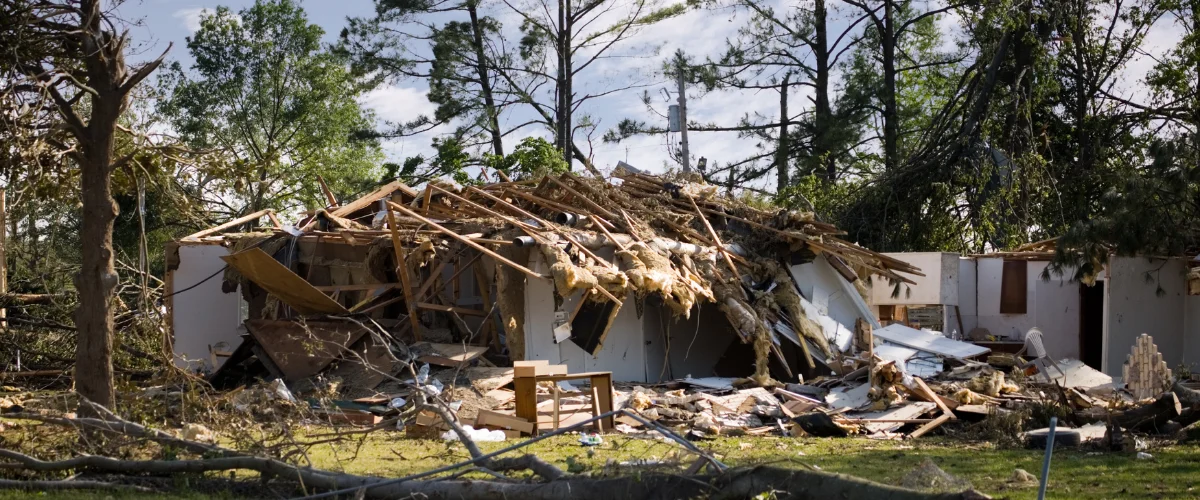
Arizona storms can arrive quickly, and the damage they leave behind is not always obvious. A wet ceiling or small patch of damaged flooring may be the visible sign of a much larger moisture problem.
That is why a careful recovery process matters.
Start with safety. Document the damage. Find the source of the water. Determine how far moisture traveled. Remove water and unsalvageable materials where necessary. Dry the structure thoroughly. Then move forward with repairs only after the affected areas are ready.
Most importantly, do not ignore a problem because it looks small.
When you need storm damage restoration in Queen Creek, AZ, Thomas Restoration AZ is ready to help you understand the damage and move toward recovery. For professional assistance with your property, contact us at 480-364-3632 and talk with our team about the next steps.