Storm and Construction Debris: When Professional Removal Is the Safer Choice
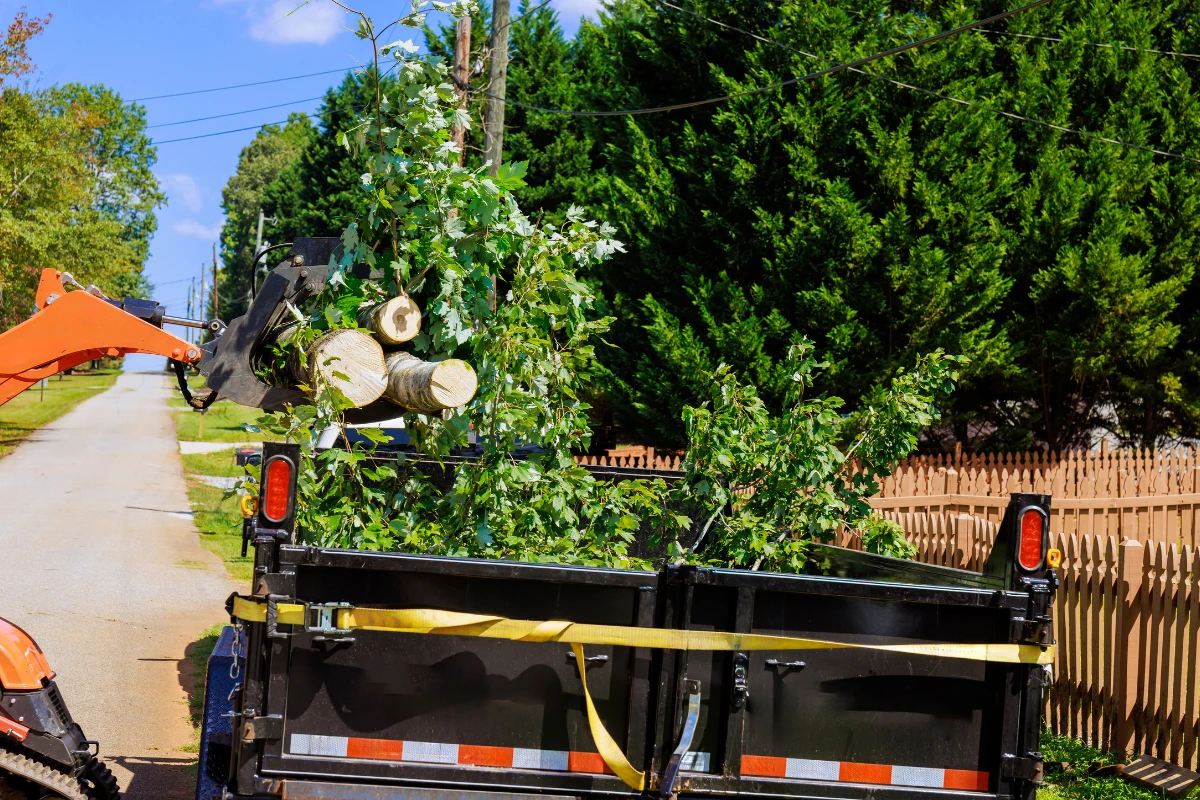
A strong storm can leave your yard scattered with broken branches, damaged building materials, and fallen debris. A renovation project can create a similar mess, with piles of drywall, lumber, flooring, and other construction waste taking up valuable space.
The challenge is knowing what you can safely handle yourself and when the cleanup requires professional assistance.
For homeowners and business owners considering debris removal in Gilbert, AZ, the decision often comes down to the type of material, the size of the cleanup, and the potential safety risks.
Small amounts of ordinary yard waste may be manageable without outside help. However, heavy materials, sharp objects, unstable debris, and large construction waste piles are often better handled by professionals.
Understanding the difference can help you protect your property, avoid unnecessary injuries, and prepare the area for repairs or continued use.
When Does Debris Removal Become a Safety Concern?
Not every pile of debris requires professional assistance. A few fallen leaves or lightweight branches are very different from a collapsed fence section or a garage filled with renovation waste.
The concern increases when debris becomes difficult to identify, lift, transport, or dispose of properly.
Heavy or Unstable Materials
Storms can dislodge fence panels, roofing components, tree limbs, and other exterior materials.
Some objects may appear stable while resting against walls, vehicles, or surrounding structures. Moving one piece could cause other materials to shift unexpectedly.
Large construction debris can create similar problems. Broken cabinets, damaged flooring, concrete pieces, and stacked lumber may be heavier or more awkward to handle than they appear.
Professional removal is generally the safer choice when materials cannot be moved without excessive lifting, specialized equipment, or the risk of disturbing an unstable structure.
Sharp Objects and Hidden Hazards
Construction and storm debris can contain exposed nails, screws, splintered wood, broken glass, and sharp metal edges.
These hazards may be difficult to see when materials are mixed together.
Dust from damaged building materials can also become a concern during cleanup, particularly when cutting, breaking, or moving debris.
If you cannot clearly identify what is in a debris pile, avoid handling it until the risks have been evaluated.
Debris Near Damaged Structures or Utilities
A fallen branch near a power line, debris beneath a damaged roof, or materials surrounding a compromised wall require additional caution.
Do not attempt to remove debris from areas involving downed electrical lines, unstable ceilings, damaged roofs, or potentially compromised structural components.
The appropriate utility provider or qualified professional should address the hazard before cleanup begins.
Storm Debris in Gilbert, AZ: What Makes Cleanup Different?
Gilbert experiences seasonal monsoon thunderstorms that can bring strong winds, heavy rainfall, lightning, and blowing dust.
These conditions can leave residential and commercial properties with scattered vegetation, damaged exterior materials, and debris blocking driveways or access areas.
The challenge is not always the amount of debris. Sometimes, the location and condition of the materials make cleanup more complicated.
Fallen Branches and Yard Debris
After strong winds, branches and vegetation may accumulate around fences, patios, landscaping, and walkways.
Small, loose branches may be manageable for homeowners when the surrounding area is safe.
Larger branches, fallen trees, or vegetation resting against damaged structures should receive professional attention. Trees under tension or partially supported by other objects can shift unexpectedly.
Damaged Roofing and Exterior Materials
Wind may loosen roofing materials, trim, fencing, or exterior building components.
These materials can include sharp fasteners and broken edges.
Debris that has fallen onto the ground may be suitable for removal once conditions are safe, but damaged materials still attached to a roof or structure may require a separate repair assessment.
Rain-Damaged Building Materials
Storm debris sometimes includes building materials exposed to water.
Wet drywall, insulation, carpeting, and furnishings can become heavy and difficult to transport.
The condition of each material matters. Some belongings may still be suitable for cleaning or restoration, while others may need replacement.
Removing everything without evaluating the damage could result in unnecessary disposal.
Construction Debris: Why a Renovation Cleanup Can Be More Complicated Than Expected
Construction waste tends to accumulate gradually.
A bathroom renovation may begin with a few pieces of tile and drywall. By the time demolition and installation are underway, the property may contain discarded fixtures, packaging, broken flooring, and multiple piles of scrap material.
The cleanup becomes more difficult when different types of waste are mixed together.
Common construction debris includes:
Drywall pieces and plaster.
Scrap lumber and wood trim.
Removed flooring and carpeting.
Broken tile and masonry.
Old cabinetry and fixtures.
Packaging and leftover building materials.
Damaged doors and other non-hazardous renovation waste.
Some materials require different disposal methods. Others may be recyclable or reusable depending on their condition and local facility requirements.
A professional debris removal service can help manage the lifting, loading, hauling, and appropriate disposal of eligible materials.
At Thomas Restoration AZ, we handle construction and renovation debris removal alongside cleanup related to storm damage and property restoration.
This can be particularly helpful when debris needs to be cleared before the next stage of repair or renovation.
DIY Cleanup vs. Professional Debris Removal: Which Makes More Sense?
The right approach depends on more than the size of the pile.
Consider the material, accessibility, disposal requirements, and your ability to complete the work safely.
When DIY Cleanup May Be Reasonable
You may be able to manage the cleanup yourself when:
Debris consists of small, lightweight, non-hazardous materials.
There are no damaged utilities or unstable structures nearby.
Objects can be moved without excessive lifting.
You have appropriate protective equipment.
The materials are accepted by an available municipal disposal program.
The cleanup does not require specialized hauling or handling.
For example, gathering a modest amount of loose yard waste after a storm may be practical if the area is safe.
However, even a small debris pile should be left alone if its contents or surrounding conditions are uncertain.
When Professional Removal Is the Better Option
Professional assistance becomes more appropriate when debris includes bulky construction materials, large fallen branches, heavy furnishings, or damaged building components.
It is also worth considering when a project produces more waste than you can transport safely.
Arranging debris removal in Gilbert, AZ can help property owners avoid repeated lifting, transportation difficulties, and disposal complications.
For renovation projects, professional cleanup can also keep debris from interfering with access to work areas.
The purpose is not simply to remove unwanted material. It is to make the next stage of the project easier to manage.
What Happens During Professional Debris Removal?
Understanding the cleanup process can help you prepare for the work and communicate your needs clearly.
Although every project differs, debris removal generally involves several stages.
Evaluating the Debris
The first step is identifying the materials involved and estimating their volume.
The assessment may consider accessibility, lifting requirements, nearby structures, and possible hazards.
This helps determine the appropriate removal approach and whether any materials require specialized handling.
Planning Safe Access
Debris may be scattered across a yard, concentrated in a garage, or located throughout an interior renovation area.
Access affects how easily materials can be collected and transported.
For larger projects, the removal process may need to be coordinated with other contractors or restoration activities.
Loading and Hauling Materials
Eligible debris is collected, loaded, and transported away from the property.
Heavy or bulky materials may require additional workers or appropriate handling equipment.
The goal is to remove the waste without unnecessarily damaging surrounding surfaces or creating new hazards.
Sorting and Disposal
Not every material belongs in the same disposal stream.
Construction waste, vegetation, recyclable materials, and regulated waste may have different requirements.
Professional removal should account for these differences and use appropriate disposal facilities.
Preparing the Property for the Next Step
Once debris has been removed, the remaining area can be evaluated for cleaning, repairs, or further restoration.
Debris removal does not automatically resolve structural damage, moisture problems, or other conditions caused by a storm.
Those issues may require separate work before the space is ready for normal use.
Gilbert's Bulk Trash Rules and Construction Waste Restrictions
One detail that can influence your cleanup decision is Gilbert's municipal waste collection program.
The Town of Gilbert offers bulk trash pickup for certain oversized household items and yard waste. However, not all storm-related or renovation materials qualify.
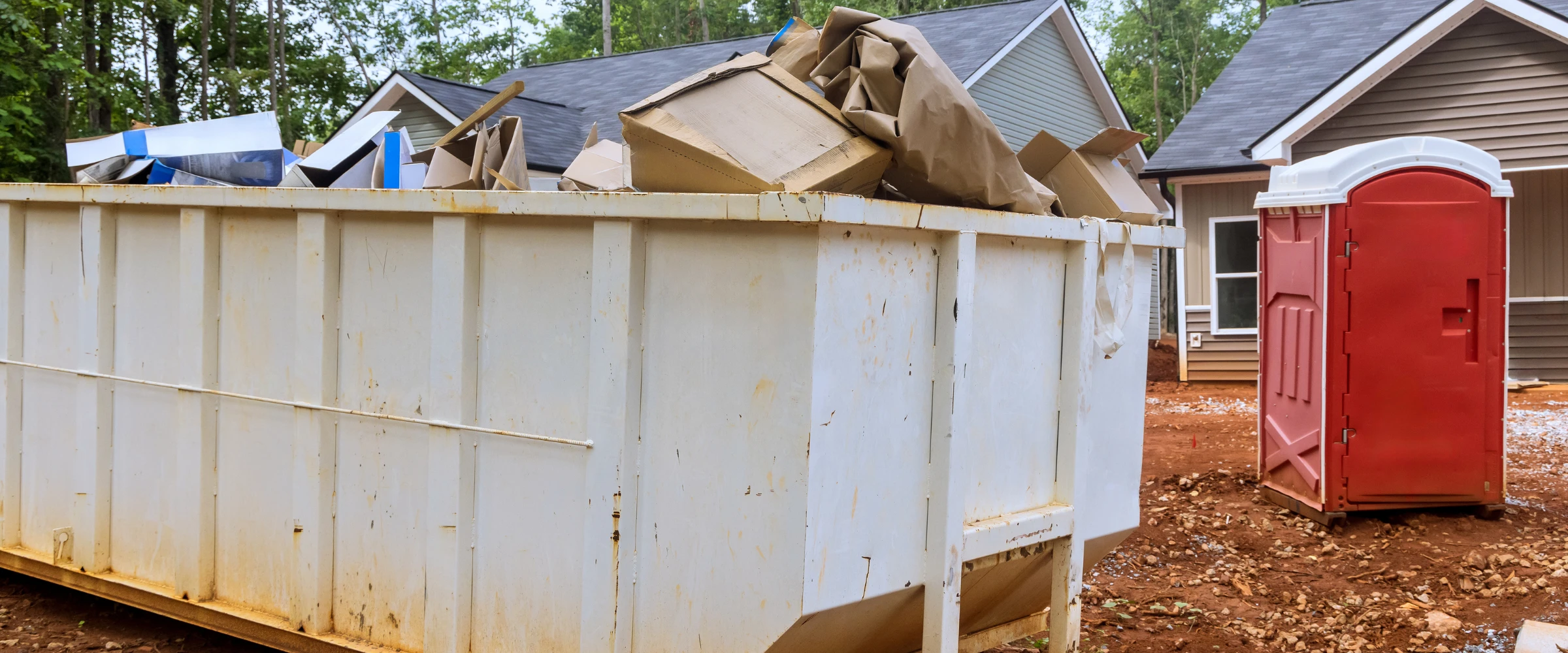
According to the town's published guidelines, regular bulk trash collection does not accept construction debris such as drywall, lumber, tile, carpet, and cabinets. Demolition materials including concrete, rock, and dirt are also excluded.
Gilbert, Arizona
That distinction matters after a renovation or property damage event.
A pile of unwanted household furniture may qualify for municipal bulk pickup, while discarded drywall and flooring from the same project may require another disposal option.
The town also establishes collection schedules, pile-size limits, and placement requirements for eligible items.
Before placing materials at the curb, confirm their acceptance and the current rules.
For debris outside the municipal program, professional hauling or another approved disposal method may be more suitable.
Materials That May Require Special Handling
Storm and construction debris should not automatically be treated as ordinary household waste.
Some materials may contain substances that require separate identification, handling, or disposal.
Examples include:
Suspected asbestos-containing building materials.
Lead-contaminated renovation debris.
Paints, solvents, and other chemicals.
Batteries and certain electronic waste.
Fuel containers and compressed gas cylinders.
Materials affected by sewage or other contamination.
Older construction materials can present additional concerns, especially when their composition is unknown.
Do not disturb suspected asbestos, lead-contaminated materials, or unidentified chemical waste.
Specialized evaluation or appropriately qualified contractors may be necessary before removal.
If your debris pile contains questionable materials, identify them before arranging standard hauling. Confirm that the selected provider is qualified and authorized to handle the specific waste involved.
How Much Does Storm or Construction Debris Removal Cost?
Debris removal costs depend on the scope of the cleanup rather than a single standard price.
Two properties may have similar-sized debris piles but require very different levels of labor and transportation.
Several factors can influence the total cost.
Type and Weight of Debris
Lightweight yard waste generally presents different handling requirements from concrete, tile, or heavy building materials.
Weight can influence loading, transportation, and disposal costs.
Volume of Materials
The amount of waste affects how much hauling capacity is needed.
A small pile of renovation scraps may be simpler to remove than debris spread throughout an entire property.
Accessibility
Materials located beside an accessible driveway are usually easier to collect than debris inside a damaged building or in a restricted backyard.
Narrow access points, stairs, and obstacles can increase labor requirements.
Sorting and Disposal Requirements
Mixed materials may need additional separation.
Some waste categories also have different disposal fees or facility restrictions.
Property Conditions
Storm-damaged properties may need an evaluation before cleanup can proceed safely.
If structural hazards or other damage are present, additional qualified services may be required.
For an accurate price, describe the type of debris, approximate amount, location on the property, and any known safety concerns.
Photographs can also help communicate the cleanup requirements.
When Should Debris Be Removed After a Storm or Renovation?
The best time to remove debris is when the area is safe and cleanup can proceed without interfering with necessary inspections or repairs.
After a storm, avoid entering damaged areas until hazards have been addressed.
If debris blocks normal property access, professional removal may become a priority once conditions allow.
For construction projects, coordinating removal with the renovation schedule can prevent waste from accumulating around active work areas.
You may benefit from arranging debris removal:
After demolition is complete.
Before new materials are delivered.
When accumulated waste restricts access.
After storm damage has been evaluated.
Before repair or reconstruction work begins.
Before a final property cleanup.
If the damage may involve an insurance claim, consider photographing affected areas and keeping relevant records before disposal, provided it is safe to do so.
Insurance coverage for debris removal depends on the policy, cause of damage, applicable limits, and insurer's determination.
Helpful Resources for Safe Debris Cleanup in Gilbert
Reliable disposal and safety information can help you make better decisions before beginning a cleanup project.
The following official resources are useful for Gilbert property owners managing storm damage, renovation waste, or unfamiliar debris.
Town of Gilbert Bulk Trash Guidelines
The Town of Gilbert Bulk Trash Program explains which materials are accepted, pickup schedules, placement requirements, and disposal alternatives.
This is especially useful when deciding whether ordinary yard waste or oversized household items qualify for municipal collection.
Town of Gilbert Monsoon and Storm Safety Information
The Town of Gilbert Thunderstorms, Lightning, and Monsoons Resource provides local storm guidance and cleanup information.
Property owners can use it to understand local storm hazards and appropriate next steps following severe weather.
U.S. Environmental Protection Agency
The EPA's Managing Debris After a Natural Disaster Guide explains common debris categories and why different materials may need separate disposal methods.
It is particularly helpful for identifying the difference between vegetation, construction debris, household waste, and potentially hazardous materials.
Occupational Safety and Health Administration
The OSHA Debris Collection Safety Guidance discusses hazards associated with debris collection, including sharp materials, lifting concerns, and protective equipment.
Although written for cleanup workers, it offers useful insight into why large or complicated debris removal projects require careful planning.
Frequently Asked Questions About Storm and Construction Debris Removal
At Thomas Restoration AZ, we provide junk removal and debris removal services for homeowners, businesses, and property managers in Gilbert, AZ, and the surrounding Phoenix metropolitan area. We help remove unwanted junk, old furniture, appliances, yard waste, tree trimmings, and construction debris. Whether you have piles of trash in your garage, unwanted items inside your house, or debris left after a renovation, our friendly team can help clear the space. We assess each job to make sure materials can be removed and disposed of properly.
How much does junk and debris removal cost in Gilbert, AZ?
The cost of junk removal in Gilbert depends on the amount of junk, the type of materials, and how easy they are to access. A small trash removal job may cost less than hauling large amounts of concrete, dirt, or construction waste. The truck space, equipment, labor, and disposal fees can also affect the price. Contact our team for a free discussion about your cleanup needs so we can help you understand the work involved before you pay for removal.
Do I need to rent a dumpster, or can your team haul everything away?
You don't always need a dumpster rental to get rid of unwanted items. If your debris is ready for pickup, professional hauling can be a convenient option without the hassle of putting a large container on your property. Instead of arranging dumpsters or making repeated trips to the dump with your own truck or vehicle, you can ask our crew about collecting and hauling eligible materials. A dumpster may still be useful for a longer construction project where garbage builds up over several days. Our team can help you decide which option makes the most sense for your job.
Can you remove yard waste and storm debris from my property?
Yes! Our removal services include yard waste and storm debris cleanup in Gilbert and nearby Phoenix communities. We can help with fallen branches, tree trimmings, weeds, and other green waste left around your property after a storm or landscaping project. If your yard is covered with debris, our team can assess the site and determine the safest way to clear it. Large fallen trees, damaged structures, and debris near electrical lines may need special equipment or qualified professionals before the removal can be completed safely.
Do you remove construction debris after home renovations?
Yes, Thomas Restoration AZ handles construction debris removal in Gilbert, AZ. We help homeowners and contractors clear unwanted materials such as drywall, lumber, flooring, cabinets, and other eligible renovation debris. Heavy materials like concrete, rock, and dirt may require special hauling and disposal arrangements. Our crew reviews the type and amount of waste before starting the job. Whether you're updating one room or working on a larger property project, removing the debris can help you reclaim valuable space and keep the work site ready for the next step.
What should I do before my junk removal appointment?
Getting ready for your junk removal appointment is simple. Make a list of the unwanted items you need removed and let our team know where they are located. You can also send photos of the junk, furniture, or debris to help us understand the job. If possible, keep a clear path for the crew to access the pickup area. You don't need to lift heavy items or move unsafe materials to the curb. If you need to change your schedule or cancel an appointment, contact our team to discuss your options. Our goal is to make the process easy and reduce the stress and worry of cleanup.
What happens to my junk after it is removed?
Proper disposal is an important part of reliable junk removal. Depending on the materials and their condition, some items may be suitable to recycle, donate, or take to an approved disposal facility. Other trash, garbage, and damaged materials may need to be taken to an appropriate dump or waste handling site. Not everything can go in the same bag, truck, or disposal area. Our team considers local requirements and the type of debris before arranging removal. This helps customers avoid unnecessary disposal problems while supporting cleaner communities around Gilbert and Phoenix.
Why should I hire a professional junk removal service instead of doing it myself?
Hiring a professional team can save time, effort, and money, especially when you have large amounts of clutter or heavy items to haul. Instead of spending your day loading a truck, making a trip across the city, or waiting for a scheduled curb pickup, you can get help from a crew experienced in handling debris. Professional removal in Phoenix and Gilbert can be especially helpful when bulky furniture, construction materials, or storm damage make the job difficult. At Thomas Restoration AZ, we focus on reliable junk removal and safe cleanup so you can get rid of unwanted items without unnecessary hassle. Whether you need to clear your garage, prepare a property for repairs, or create a fresh, clean space, our team is here to help.
If you're looking for junk removal in Phoenix, AZ, or debris removal in Gilbert, contact Thomas Restoration AZ at 480-364-3632 to discuss your project and schedule a convenient pickup.
Make the Safer Choice for Debris Removal in Gilbert, AZ
Storm damage and construction projects can leave behind more than an inconvenient mess. Heavy materials, hidden sharp objects, difficult access, and local disposal restrictions can make cleanup more demanding than expected.
Knowing when to handle a small cleanup yourself and when to bring in professional assistance can help you avoid unnecessary risks.
At Thomas Restoration AZ, we provide storm, construction, and property-damage debris cleanup for homeowners and businesses throughout Gilbert and the surrounding Phoenix metropolitan area.
If you have accumulated renovation waste, fallen storm debris, or damaged materials that need to be cleared before repairs, our team can help you evaluate the next step.
Learn more about our debris removal in Gilbert, AZ, call 480-364-3632, or Contact Us to discuss your property and debris removal needs.