Mold After Water Damage: Signs You Shouldn’t Ignore
A water leak may look like a minor problem once the visible water is gone. But what happens when moisture remains trapped behind walls, beneath flooring, or inside cabinets? That lingering moisture can create the conditions for mold growth, sometimes before you notice anything unusual.
For homeowners and business owners in Gilbert, AZ, recognizing the early warning signs can help prevent additional property damage. Understanding when professional mold remediation may be necessary is especially valuable after plumbing leaks, appliance failures, or unexpected water intrusion.
Here are the signs to watch for, where mold may be hiding, and what to do if you suspect your property has a moisture problem.
7 Warning Signs of Mold After Water Damage
Mold does not always appear as a large, obvious patch on a wall. Sometimes, the first clues are changes in how a room smells, looks, or feels.
1. A Persistent Musty Odor
One of the earliest signs of a possible mold problem is an unpleasant, musty smell that does not disappear.
You might notice the odor near a bathroom vanity, inside a closet, beneath a kitchen sink, or around an area that experienced water damage.
The smell may become more noticeable when opening cabinets or entering a room that has been closed for several hours.
A musty odor does not automatically confirm mold growth. However, if the smell persists after a leak has been repaired, hidden moisture or microbial growth may be present.
2. Visible Discoloration on Walls or Ceilings
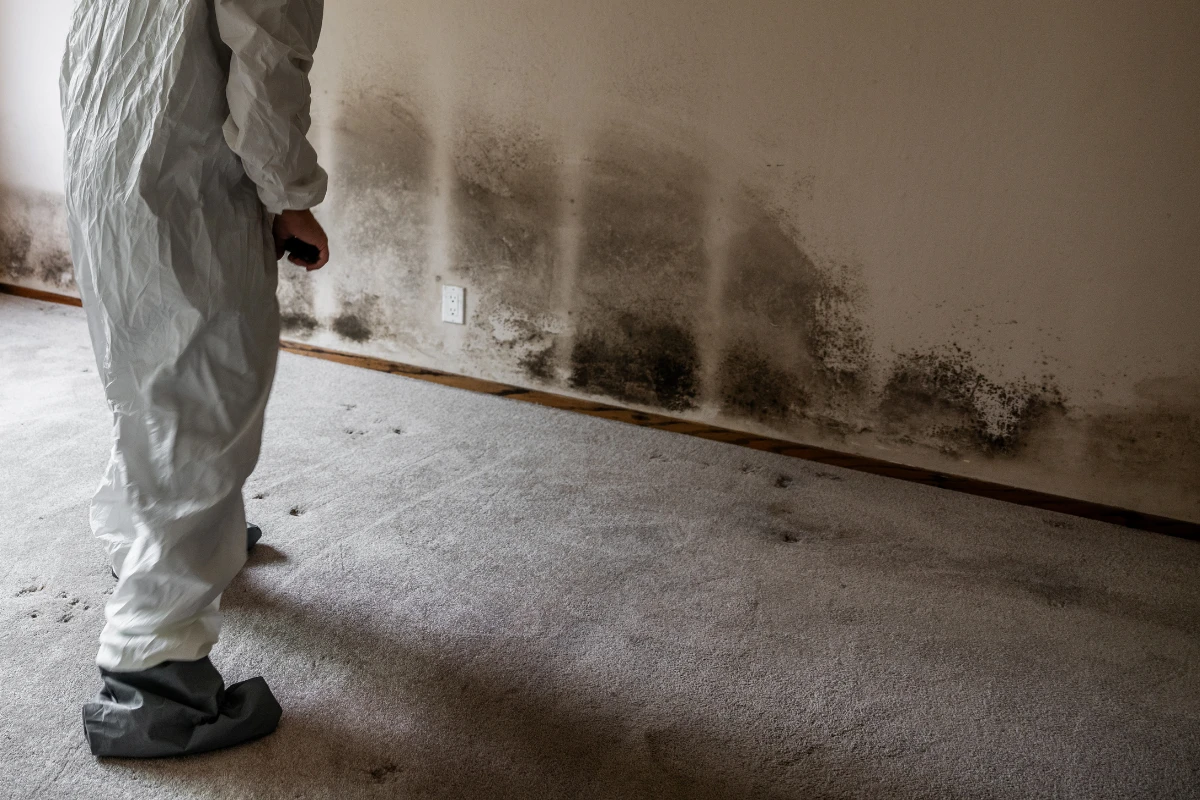
Mold can appear as irregular patches or spots in several colors, including:
Black or dark gray
Green
White
Brown
Orange
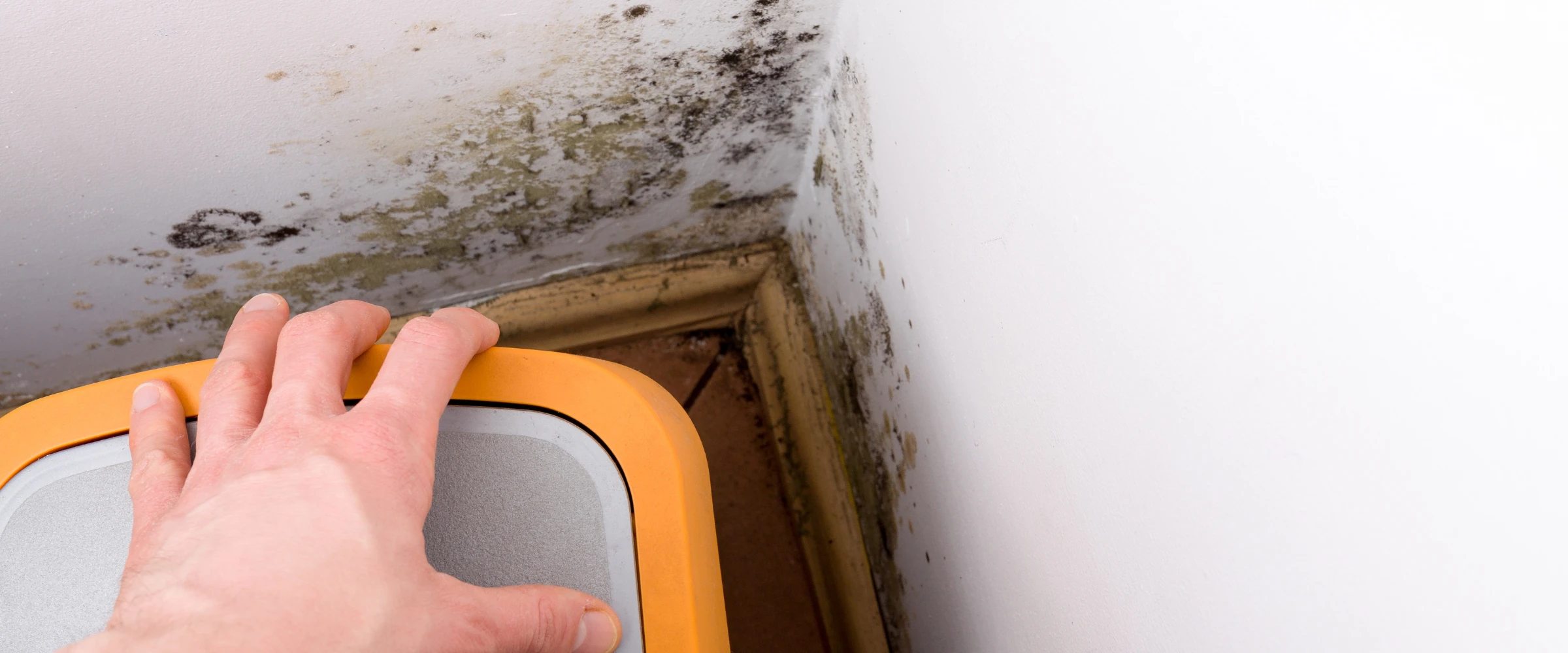
These patches may appear around baseboards, ceiling corners, drywall seams, or areas previously affected by water.
Not every dark stain is mold. Water stains, dirt, and other surface discoloration can look similar.
Still, new spotting or discoloration following water damage deserves attention, particularly if the affected area continues to expand.
3. Peeling Paint or Bubbling Drywall
Paint that begins peeling, blistering, or separating from the wall can indicate moisture beneath the surface.
Other warning signs include:
Soft or swollen drywall
Cracking or bubbling paint
Loose wallpaper
Warped baseboards
Stains that return after repainting
These conditions do not necessarily mean mold is present, but they suggest moisture may have affected the building materials.
Painting over a damp or mold-affected surface does not address the underlying problem.
4. Warped or Discolored Flooring
Water can collect beneath flooring even after the visible surface appears dry.
Signs of possible trapped moisture include lifted edges, separating floorboards, soft spots, discoloration, and changes in the flooring's shape.
For example, a dishwasher leak may allow water to travel beneath nearby cabinets and flooring. The visible puddle might be small, while the affected area extends farther than expected.
If moisture remains trapped below the flooring, mold may develop in susceptible materials.
5. Mold That Keeps Returning
Have you cleaned an area only to see discoloration return?
Recurring mold often indicates that the underlying conditions have not been corrected.
Common contributors include leaking plumbing, repeated condensation, inadequate ventilation, and moisture trapped inside building materials.
Cleaning visible mold without addressing the water source may provide only a temporary improvement.
Professional mold remediation focuses on addressing affected materials and the conditions that allowed mold to develop, rather than simply covering up visible growth.
6. Damp Cabinets or Unusual Staining Around Plumbing
Cabinets near sinks, dishwashers, refrigerators, and washing machines are particularly vulnerable to unnoticed leaks.
Watch for swollen cabinet panels, soft shelving, staining around plumbing connections, or persistent dampness inside enclosed storage areas.
Even a slow plumbing leak can affect surrounding materials over time.
Because moisture may travel behind cabinet panels or along the floor, the visible damage may not show the full extent of the problem.
7. Unexplained Moisture or Condensation
Repeated moisture buildup is another sign that your property needs attention.
Condensation on surfaces, damp areas around vents, or wet spots near plumbing may indicate a problem with humidity, insulation, drainage, or a hidden leak.
Condensation alone does not establish that mold is growing. However, recurring moisture can support mold growth when suitable materials are present.
Identifying the cause is the first step toward a lasting solution.
Where Mold Can Hide After Water Damage
One of the biggest misconceptions about water damage is that a room is dry simply because the surfaces no longer feel wet.
Water can move through small gaps, absorb into porous materials, and remain in enclosed areas.
Some common locations where hidden mold may develop include:
Behind drywall: Water from a pipe leak or roof intrusion can enter wall cavities and affect the back of drywall or nearby insulation.
Under flooring: Moisture may remain beneath laminate, vinyl, carpet, or other floor coverings, depending on the material and installation.
Inside cabinets: Enclosed spaces around plumbing and appliances can conceal damp materials.
Around baseboards: Water may collect near the bottom of walls and affect trim, drywall, or adjoining materials.
Above ceilings: Roof leaks, plumbing problems, and condensation may introduce moisture into ceiling cavities.
Behind bathroom fixtures: Failed seals, leaking connections, or repeated water intrusion can affect materials surrounding showers, tubs, and sinks.
Finding hidden mold requires care. Removing drywall, pulling up flooring, or disturbing suspected growth without understanding the extent of contamination may spread mold particles into surrounding areas.
When the location or extent is uncertain, professional evaluation is the safer approach.
Why Mold Can Develop Even in Gilbert's Dry Climate
Gilbert, AZ, is known for its hot, generally dry desert climate. That does not mean homes and commercial buildings are protected from mold.
Indoor mold growth depends primarily on available moisture, not simply the outdoor climate.
A leaking refrigerator supply line, overflowing bathtub, blocked air conditioning condensate drain, or plumbing failure can create damp conditions inside a property regardless of the weather outside.
Arizona's summer monsoon season can also bring periods of heavy rainfall. If rainwater enters through a damaged roof, poorly sealed opening, or another vulnerable area, building materials may become wet.
Air-conditioned indoor spaces present another consideration. Condensation can develop around improperly insulated cold surfaces or where moisture and temperature conditions allow it.
For Gilbert property owners, the key is to focus on the actual moisture source rather than assuming the desert climate will dry every affected material.
What To Do When You Discover Possible Mold
Finding suspected mold after water damage does not mean every affected surface needs to be removed. It does mean the moisture problem should be taken seriously.
A few practical steps can help you respond appropriately.
Identify and Stop the Water Source When Safe
If the problem involves a small, accessible plumbing leak, shutting off the appropriate water supply may prevent additional water intrusion.
Do not enter flooded areas with potential electrical hazards, disturb contaminated water, or attempt repairs in unsafe conditions.
If the source is uncertain, contact an appropriate professional to investigate.
Document the Affected Area
Take photographs of visible staining, damaged flooring, affected cabinets, or suspected mold growth without disturbing the materials.
Keep a record of when the water damage was discovered and any repairs already completed.
Documentation can help you explain the situation to restoration professionals and may be useful during an insurance claim. Coverage depends on your policy and the circumstances of the damage.
Avoid Disturbing Suspected Mold
Scrubbing, sanding, cutting, or removing mold-affected materials without appropriate precautions can release particles into the air.
Avoid attempting extensive cleanup when mold covers a large area, appears to involve hidden cavities, or follows significant water damage.
Water involving sewage or other contamination requires additional precautions and appropriate professional handling.
Have the Extent of the Problem Evaluated
A visible stain may represent a small localized issue, or it may be one part of a larger moisture problem.
An appropriate evaluation helps determine which materials are affected, where moisture remains, and what type of cleanup or repair may be needed.
The goal is to understand the actual conditions before deciding how to proceed.
Mold Removal vs. Mold Remediation: What Is the Difference?
Mold removal and mold remediation are often used interchangeably, but they do not always describe the same scope of work.
Mold removal generally refers to physically removing visible mold from affected surfaces or materials.
Mold remediation takes a broader approach. It addresses the mold growth, evaluates affected areas, and considers the moisture conditions contributing to the problem.
Depending on the situation, a remediation project may involve:
Identifying the extent of affected materials
Evaluating existing moisture conditions
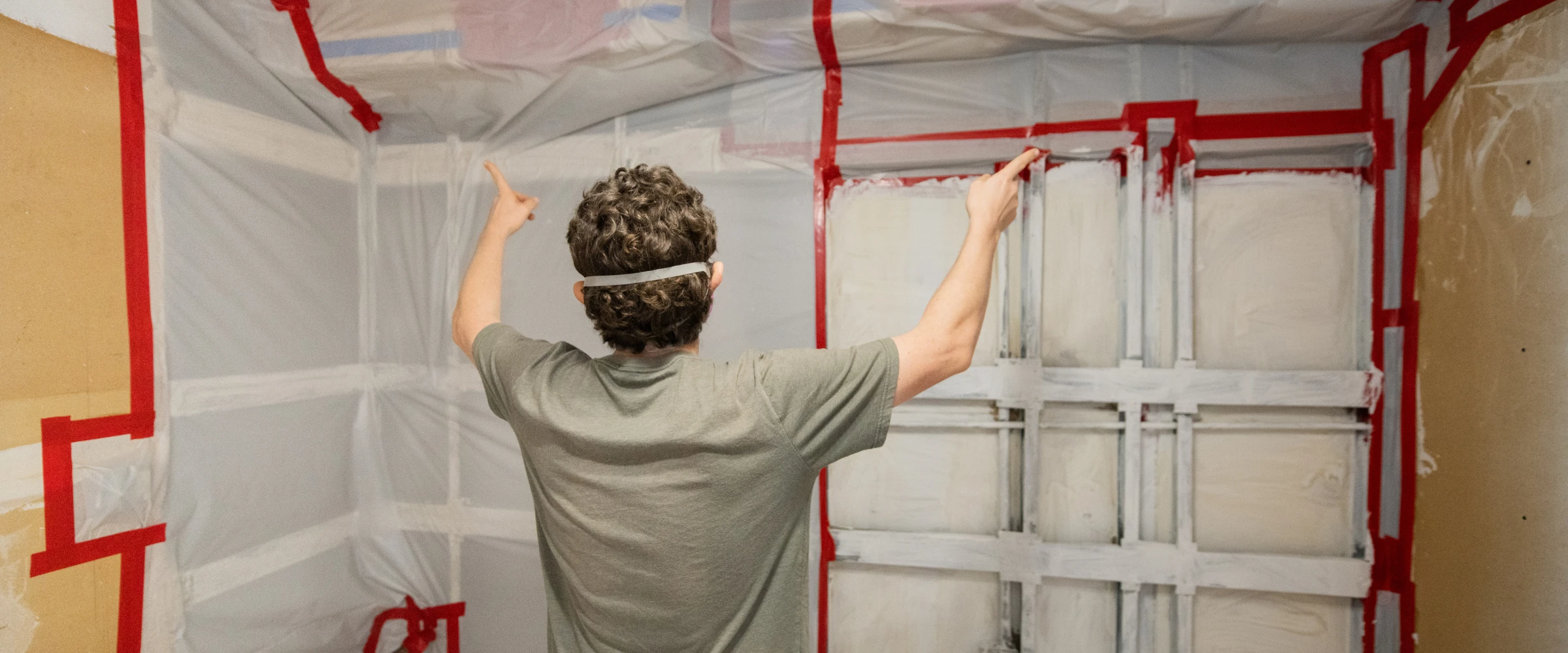
Separating affected work areas when appropriate
Cleaning suitable surfaces
Removing materials that cannot be adequately cleaned or restored
Addressing underlying moisture problems
Determining whether additional repairs are necessary
The specific approach depends on the amount of growth, type of materials, water source, and overall property conditions.
At Thomas Restoration AZ, we provide mold remediation services for properties affected by moisture-related mold growth. Our restoration services also include structural drying, moisture removal, and property repairs, allowing us to address related damage when those services are needed.
The objective is not to promise a completely mold-free environment. Mold spores naturally exist indoors and outdoors. Effective remediation focuses on addressing unwanted mold growth and controlling the moisture conditions that support it.
Can Water-Damaged Materials Be Cleaned or Do They Need Replacement?
Not every material exposed to moisture needs replacement.
The appropriate decision depends on the material's condition, how long it was wet, whether contamination occurred, and whether it can be adequately cleaned and dried.
For example, some nonporous surfaces may be suitable for cleaning when conditions allow.
Porous materials present additional challenges because moisture and mold can penetrate areas that are difficult to access or clean.
Drywall, insulation, carpeting, and certain composite wood products may require removal when damage or contamination is extensive.
Structural materials should also be evaluated based on their condition rather than automatically discarded.
A proper restoration plan considers both safety and whether materials can reasonably be returned to usable condition.
How To Reduce the Risk of Mold Returning
Removing existing mold is only part of preventing recurring problems.
If the underlying moisture source remains, mold may develop again.
Property owners can reduce the likelihood of future moisture problems by focusing on several practical habits.
Check areas around plumbing fixtures. Periodically inspect accessible spaces beneath sinks and around appliances for leaks or unusual staining.
Address roof and exterior leaks. Water intrusion should be investigated before it repeatedly affects walls, ceilings, or insulation.
Maintain ventilation. Bathrooms, kitchens, and other moisture-producing areas benefit from appropriate ventilation.
Pay attention to air conditioning drainage. Condensate drainage problems can introduce moisture into surrounding materials.
Investigate recurring odors. A persistent musty smell may point to a moisture issue that needs further evaluation.
Verify drying after significant water damage. The disappearance of visible water does not prove that concealed building materials are adequately dry.
The U.S. Environmental Protection Agency identifies moisture control as the central factor in preventing indoor mold growth.
For Gilbert properties that have experienced substantial water intrusion, confirming the condition of affected materials can be particularly valuable before finishing repairs.
Helpful Resources for Understanding Mold and Moisture Damage
Reliable information can make it easier to recognize moisture problems and understand when professional help may be appropriate.
The following government resources offer practical guidance for property owners.
EPA: A Brief Guide to Mold, Moisture, and Your Home
The U.S. Environmental Protection Agency's mold and moisture guide explains how moisture contributes to mold growth, how to recognize common problems, and why correcting the water source matters.
It is a useful starting point for homeowners dealing with leaks, recurring dampness, or visible mold.
EPA: Mold Cleanup in Your Home
The EPA's residential mold cleanup guidance discusses factors that help determine whether a mold problem may require professional assistance.
It also addresses affected materials and additional precautions for extensive water damage or contamination.
CDC: Mold Information and Health Guidance
The Centers for Disease Control and Prevention's mold resources explain mold exposure, potential health concerns, and practical moisture-prevention measures.
People with asthma, allergies, or other medical concerns can use this information to understand general risks and discuss individual symptoms with a healthcare professional.
EPA: Is Mold Testing Necessary?
The EPA's guidance on mold testing explains why testing is not always required when mold growth is already visible.
It also outlines situations in which professional sampling may be useful and why results require careful interpretation.
These resources can support informed decisions, but extensive or concealed mold growth should not be disturbed without appropriate precautions.
Frequently Asked Questions About Mold After Water Damage
What is mold remediation, and how does the process work?
Mold remediation is the process of identifying, containing, and addressing unwanted mold growth in your home or business. The mold remediation process typically begins with an inspection to locate affected areas and identify the moisture source. Depending on the conditions, professional mold remediation may involve containment, negative air pressure, air scrubbers with HEPA filtration, careful mold removal, and cleaning affected surfaces. Damaged drywall, insulation, or other materials may also need to be removed. At Thomas Restoration AZ, we provide remediation services in Gilbert, AZ, to help property owners address mold damage and reduce the risk of future growth.
How can I tell if I have mold in my home?
Common signs of mold include a persistent musty odor, dark spots on walls, peeling paint, swollen baseboards, and damp flooring. Mold can also develop behind drywall, around windows, beneath tile, or inside areas affected by roof leaks or plumbing problems. If you have recently discovered mold or noticed unusual moisture in your Gilbert property, a professional inspection can help identify the problem. Mold inspections focus on visible damage, hidden moisture, and conditions that support growth. Mold testing may be recommended in certain situations, but it is not always necessary when mold is already visible.
Is black mold dangerous to my health?
Many homeowners ask, "Is black mold dangerous?" The answer depends on the type of mold, the amount of exposure, and individual health conditions. Black mold is not automatically more toxic than other types based on its color. However, exposure to indoor mold can cause allergies, respiratory irritation, and other symptoms in some people, especially those with asthma or existing breathing problems. Mold spores can also affect indoor air quality when growth is present. For safety, avoid disturbing large affected areas yourself. Professional cleaning and remediation can help address unwanted growth and protect your indoor environment.
How much does mold remediation cost in Gilbert, AZ?
Mold remediation cost depends on the size of the affected area, the location of the mold, and the amount of damage involved. A small cleaning job may cost less than removing mold from hidden areas behind walls, beneath flooring, or around structural elements. The total remediation cost may also include moisture removal, containment, damaged material replacement, and related construction services. If water damage restoration or additional property damage restoration is needed, the overall cost may increase. Thomas Restoration AZ can evaluate your property and explain the recommended work before providing pricing and a realistic timeline.
Does homeowners insurance cover mold remediation?
Whether insurance covers mold remediation depends on your policy and what caused the damage. Some homeowners insurance policies may provide coverage when mold develops after a sudden, covered water event, such as a burst pipe. However, mold caused by long-term humidity, ongoing roof leaks, neglected plumbing problems, or poor maintenance may not be covered. If your Phoenix home or Gilbert property has experienced water damage, document the affected areas and contact your insurance company. Coverage decisions depend on the specific policy, circumstances, and insurer's review.
How long does the mold remediation process take?
The time needed to remediate mold depends on how much growth is present, where it is located, and whether materials need to be removed or repaired. A small, accessible area may take less time than a larger job involving drywall, insulation, flooring, or structural elements. The process may include inspection, containment, mold removal, cleaning, drying, and repairs. In some cases, clearance testing may be arranged to evaluate conditions after the work is completed. Our team can help establish a realistic timeline based on the condition of your property and the services required.
Can mold come back after professional mold removal?
Yes, mold can return if the original moisture source is not corrected. Even after professional mold removal, issues such as roof leaks, plumbing problems, condensation, or high indoor humidity can lead to new mold growth. To help prevent mold from returning, repair leaks promptly, maintain your HVAC system, check windows and roof areas for water intrusion, and keep indoor humidity under control. During Arizona's monsoon season, homeowners and property managers should pay particular attention to water entering the building. Proper drying, regular maintenance, and addressing moisture problems are important for long-term results.
Why should I hire a professional mold remediation company instead of removing mold myself?
Small amounts of mold on suitable surfaces may sometimes be cleaned safely, but larger or hidden problems often require professional attention. Removing mold without proper precautions can disturb spores and allow them to spread through the air, especially when cutting into drywall, removing insulation, or opening affected walls. A professional mold remediation company can assess the damage, use appropriate containment methods, and determine which materials need cleaning or removal. Thomas Restoration AZ helps homeowners, businesses, and property managers in Gilbert, AZ, with mold remediation, water damage restoration, structural drying, and related property repairs. If additional work is needed, such as construction services or specialized biohazard cleanup, the appropriate services should be evaluated separately. We focus on addressing the affected areas, improving moisture conditions, and helping protect your property from further damage.
Address Mold Concerns Before They Lead to More Property Damage
A musty odor, recurring discoloration, warped flooring, or damp drywall may seem minor at first. After water damage, however, these signs can indicate moisture that has not been fully addressed.
The most useful next step is to identify the source, understand the extent of affected materials, and determine what cleanup or repairs are actually necessary.
At Thomas Restoration AZ, we help homeowners and businesses address mold-related property damage with services that focus on affected areas and moisture control.
If you have noticed suspicious mold growth or lingering moisture after a leak, our mold remediation services in Gilbert, AZ, can help you take the next step toward addressing the problem.
Call Thomas Restoration AZ at 480-364-3632 or visit our Contact Us page to discuss the conditions affecting your property and request assistance.