How Can You Tell If Water Damage Is Hiding Behind Walls or Under Floors?
A leak can stop, the puddle can disappear, and the surface can feel dry while moisture remains inside a wall or beneath the flooring. That is what makes hidden water damage difficult to recognize.
Signs such as bubbling paint, swollen baseboards, warped flooring, unexplained stains, or a persistent musty odor can indicate that moisture has traveled farther than you can see. Proper water damage restoration looks beyond visible water to determine which materials were affected, whether they can be dried, and whether repairs are necessary.
Knowing what to watch for can help you respond before a concealed moisture problem causes additional property damage.
Common Signs of Hidden Water Damage Behind Walls
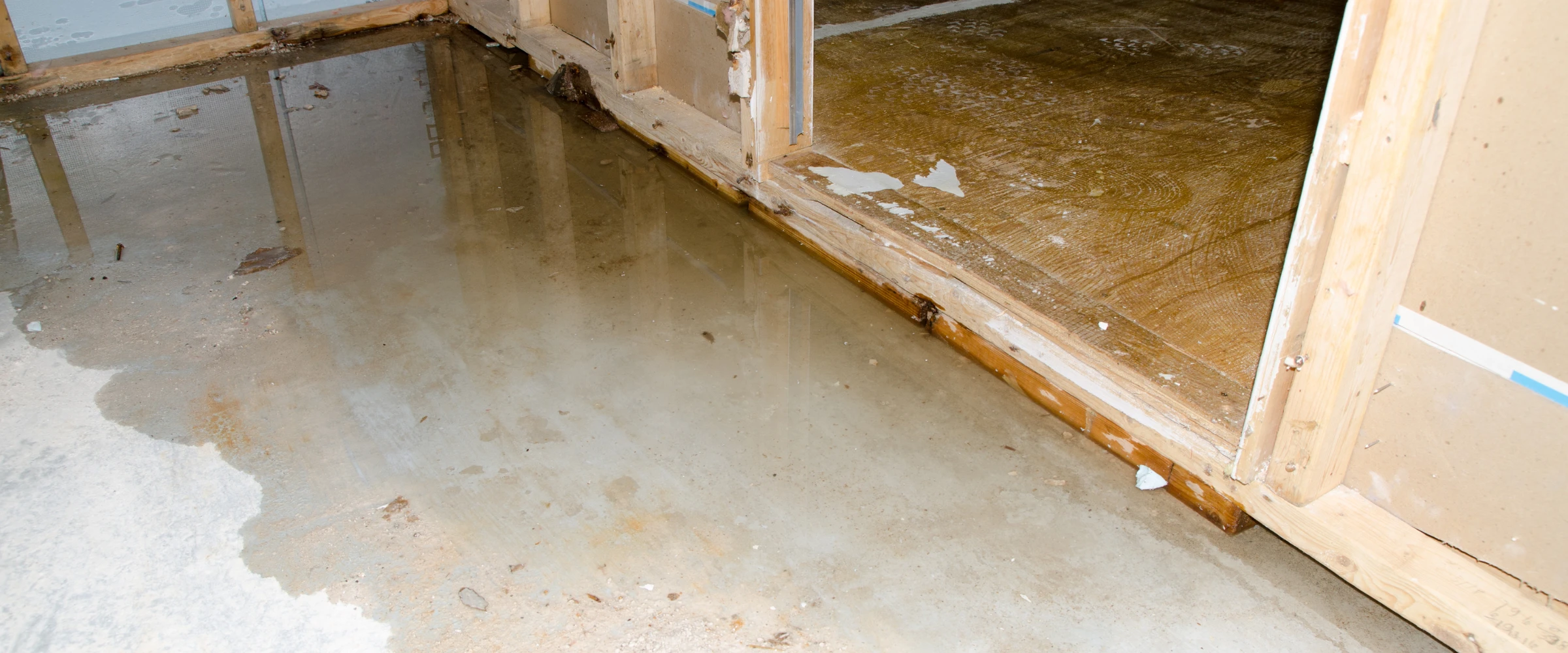
You do not always need to see dripping water to know that something may be wrong. Water can travel along pipes, framing, drywall, insulation, and other building materials before showing up in an obvious location.
Watch for changes that appear after a known leak or that develop without a clear explanation.
Bubbling, Peeling, or Blistering Paint
Paint or wallpaper that begins bubbling, peeling, or separating from the wall may indicate moisture affecting the material underneath.
One small paint bubble does not prove that you have an active leak. However, a new or growing problem near plumbing, a bathroom, a kitchen, an exterior wall, or an area that was recently wet deserves closer attention.
Soft, Swollen, or Discolored Drywall
Drywall can absorb water and may change in appearance or texture. Possible warning signs include:
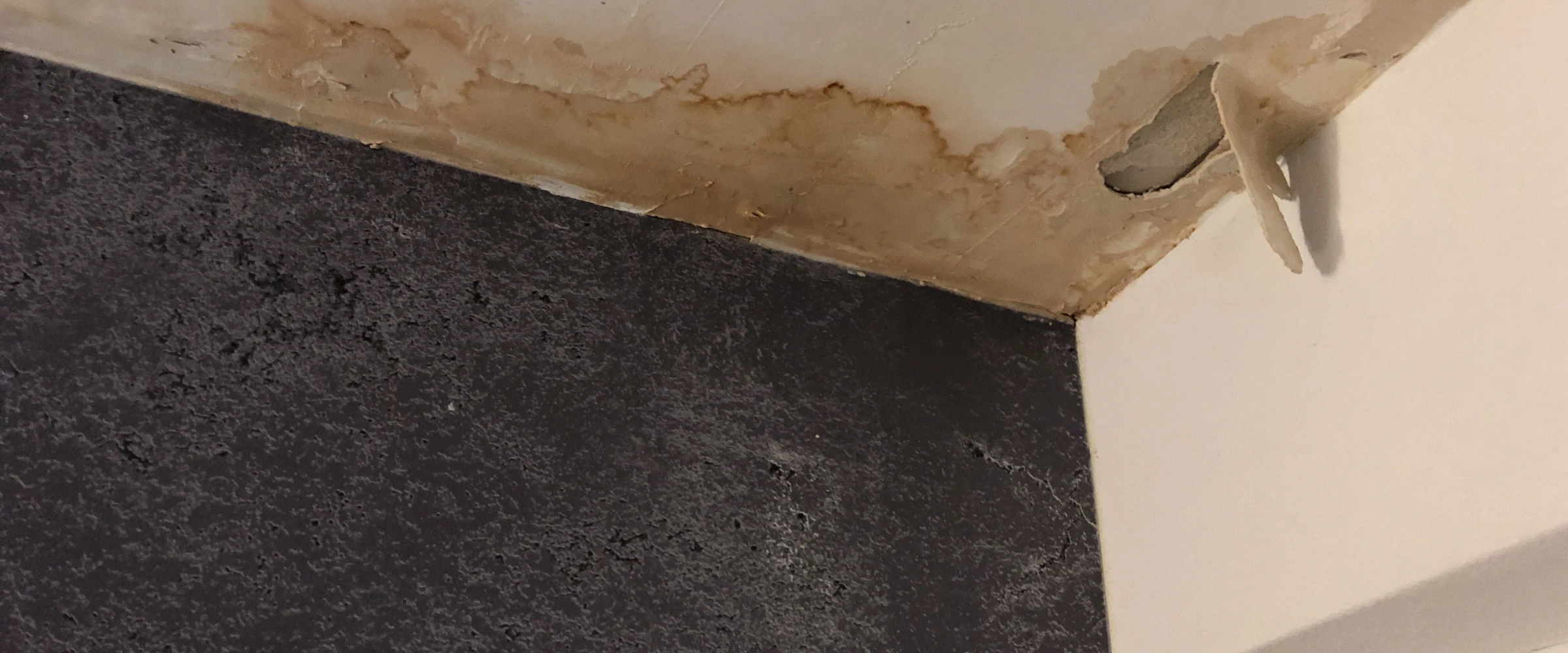
Brown or yellow discoloration
Sagging or deformation
Soft areas
Swollen seams
Crumbling material
Changes around the bottom of the wall
The condition of the drywall depends on factors such as the amount of water, the source, how long the material was exposed, and whether it can be adequately dried.
Wet drywall does not automatically mean every affected section has to be replaced. The material needs to be evaluated based on its condition and the circumstances of the loss.
Baseboards Pulling Away From the Wall
Baseboards can provide an early clue because water often reaches the lower portions of walls and flooring assemblies.
You may notice:
Swelling
Warping
Separating joints
Peeling paint
Gaps between the trim and wall
Staining along the bottom edge
Damage behind a baseboard may extend into drywall, flooring, or the wall cavity even if the exposed surface feels dry.
A Persistent Musty Odor
A musty smell can indicate that an area remains damp or that microbial growth may be present somewhere you cannot easily see. Odor alone does not confirm mold, and it does not identify the source of the moisture.
If the odor appeared after a plumbing leak, appliance overflow, roof leak, or other water intrusion, finding and correcting the moisture source is more useful than simply trying to cover the smell.
Signs Water May Be Trapped Under Your Flooring
Flooring can hide a surprising amount of moisture because the finished surface is only one part of the floor system. Depending on the construction, water may reach the flooring itself, adhesive, padding, underlayment, or subfloor.
Potential warning signs include:
Boards that cup, crown, or buckle
Laminate or engineered flooring that begins swelling
Loose flooring
New gaps or changes in floor alignment
Soft or spongy areas
Carpet or padding that remains damp
Staining around flooring edges
Baseboards or lower cabinets beginning to swell
A musty odor concentrated near the floor
A dry surface is not enough to determine whether everything below it is dry.
This is one reason professional water damage restoration considers the affected building materials, not just the water that can be seen from the room.
Why Water Can Stay Hidden After a Leak Stops
Water follows available paths. Once it gets behind a finished surface, it may spread beyond the spot where you first noticed the problem.
A plumbing leak inside a wall, for example, may affect drywall and insulation before water becomes visible in the room. An overflowing washing machine may leave obvious water on the floor while additional moisture moves underneath the flooring. A roof leak may appear as a ceiling stain even though materials above or around that spot are also damp.
Possible sources of concealed water damage include:
Plumbing supply or drain leaks
Burst or damaged pipes
Washing machine or dishwasher leaks
Water heater leaks
Overflowing tubs, sinks, or toilets
Roof leaks
Rain or stormwater intrusion
HVAC condensate problems
Groundwater intrusion
Sewage or other contaminated water
The source matters. Water from a plumbing supply line is not the same cleanup situation as sewage, groundwater, or stormwater that has contacted contaminants.
If contamination is possible, avoid direct contact and do not assume ordinary household cleanup methods are appropriate.
Why a Wall or Floor Can Feel Dry While Moisture Remains Inside
Touch only tells you about the surface you can reach.
Drywall, insulation, framing, cabinets, flooring, padding, and subflooring can hold moisture differently. A room may look normal while moisture remains within layers that receive less airflow.
This is also why simply removing standing water is not the same thing as drying a structure.
Professional evaluation may involve checking the extent of the affected area and using appropriate moisture-detection tools to help determine where moisture remains. Thomas Restoration's structural drying process focuses on removing hidden moisture and monitoring affected areas rather than judging dryness only by appearance.
You can learn more about structural drying and how it fits into the restoration process after water intrusion.
Which Materials Are Most Likely to Hold Hidden Moisture?
Different materials respond to water in different ways.
Drywall
Drywall can absorb moisture through its face, edges, and lower portions. Whether it can remain in place depends on its physical condition, contamination, exposure, and ability to dry adequately.
Insulation
Moisture can enter insulation inside a wall or ceiling cavity without being visible from the room. The type and condition of the insulation affect how the situation should be handled.
Subflooring
Water that passes through seams or around the edges of finished flooring can reach the subfloor. Because it is covered, changes may not become obvious until flooring begins moving, swelling, or developing other visible symptoms.
Wood and Engineered Flooring
Wood can absorb and release moisture as conditions change. Cupping, crowning, buckling, or separation can indicate a moisture problem, but the proper response depends on the flooring system and extent of damage.
Cabinets and Vanities
Water can travel beneath cabinets or enter composite materials through exposed edges. Swelling around toe kicks, cabinet bases, or panels can indicate damage that extends beyond the visible surface.
Framing
Wood framing may be concealed behind drywall and insulation. When the surrounding assembly becomes wet, the framing may need to be evaluated as part of the drying process.
Does Hidden Water Damage Mean Everything Has to Be Replaced?
No. Finding hidden moisture does not automatically mean tearing out every wet material.
A restoration decision usually depends on several factors, including:
The material involved
The source of the water
Whether contamination is present
How much water entered the area
The material's physical condition
How long it has been affected
Whether it can be dried effectively
Odor or staining
Structural condition
Appearance after drying
The scope of necessary repairs
Some materials may be dried and retained when conditions allow. Others may lose their integrity, become contaminated, or be impractical to restore.
For example, the EPA's guidance for clean-water damage notes that some drywall may be dried in place when there is no obvious swelling and seams remain intact, while damaged materials may require removal.
The goal should be to evaluate the actual condition of the materials rather than assuming that either complete replacement or minimal cleanup is always the right answer.
Can Hidden Moisture Lead to Mold?
Excess moisture can create conditions where mold may develop, particularly when damp materials remain unresolved. Mold does not have to be visible on the room-facing side of a wall to be present elsewhere within an affected assembly.
The EPA identifies areas such as the back of drywall, underneath carpet and padding, and spaces around leaking pipes as places where hidden moisture and mold growth may occur.
A musty smell does not prove mold is present, and visible discoloration should not be diagnosed from appearance alone. The more immediate issue after water intrusion is finding the moisture source and determining which areas remain affected.
If you suspect significant or concealed mold growth, avoid unnecessarily disturbing materials simply to investigate behind them.
What Should You Do If You Suspect Hidden Water Damage?
The safest next steps depend on where the water came from and how extensive the problem may be.
If it is safe to do so:
Stop the source of water. Shut off the appropriate water supply if you can do so without entering an unsafe area.
Keep clear of electrical hazards. Do not enter standing water where electrical equipment, outlets, or wiring may be involved.
Document visible damage. Photographs and videos can help create a record of what you observed.
Move unaffected belongings away from the wet area when it is safe. Avoid handling belongings exposed to potentially contaminated water without appropriate protection.
Pay attention to changes. New staining, swelling, odors, or flooring movement can help identify the extent of the affected area.
Have concealed moisture evaluated when the extent is uncertain. A professional assessment can help determine whether water reached walls, flooring systems, cabinetry, or other hidden materials.
Avoid cutting into walls, pulling up flooring, or using household fans in an area where sewage, contaminated water, electrical hazards, significant mold growth, or structural instability may be involved.
Hidden Water Damage in Gilbert Homes
Gilbert's dry outdoor conditions can make it tempting to assume that moisture inside a home will simply evaporate on its own. Building assemblies do not necessarily behave that way.
Water trapped beneath flooring, behind cabinets, inside insulation, or within a wall cavity may have limited airflow. Indoor temperature, humidity, material type, ventilation, amount of water, and access to the affected area all influence drying.
That means a dry Arizona day cannot tell you whether the inside of a wall or the layers beneath your floor have reached an appropriate moisture condition.
Plumbing leaks, appliance failures, overflowing fixtures, roof leaks, storm intrusion, and other sources can all produce different patterns of damage. The correct response starts with identifying what happened rather than assuming every water loss should be handled the same way.
Trusted Resources for Water Damage and Moisture Safety
These independent resources provide useful guidance for understanding moisture, flooded materials, and potential safety concerns. They are educational resources and are not affiliated with Thomas Restoration AZ.
EPA: A Brief Guide to Mold, Moisture and Your Home
The U.S. Environmental Protection Agency explains moisture control, hidden mold locations, and considerations when investigating concealed areas. It is particularly useful if you are concerned about moisture behind drywall, under carpet, or near plumbing.
EPA: What Are the Main Ways to Control Moisture in Your Home?
This EPA resource explains common household moisture sources and why correcting leaks and seepage is central to moisture control. It provides helpful background for homeowners trying to understand why recurring dampness needs a source-based solution.
FEMA: Cleaning Flooded Buildings
FEMA provides guidance for properties affected by flooding, including electrical and contamination precautions. This resource is especially relevant when water damage involves substantial flooding rather than a small clean-water leak.
Frequently Asked Questions About Water Damage Restoration In Gilbert, AZ
What should I do first when I discover water damage in Gilbert, AZ?
If you discover water damage in a Gilbert, AZ home or business, stop the water source if it is safe to do so and stay away from standing water near electrical hazards. Then contact a water damage restoration company to assess the affected areas. Thomas Restoration provides 24/7 water damage restoration services across the Phoenix metro and can begin water extraction, moisture evaluation, drying, cleanup, and restoration as appropriate.
How does water extraction work after a burst pipe or appliance leak?
Water extraction removes standing or pooled water before the drying process begins. After a burst pipe, supply line failure, appliance leak, or flood damage, technicians first assess where the water traveled and then remove accessible water from affected areas. Thomas Restoration lists emergency water extraction as part of its restoration process. Prompt water removal can reduce the amount of moisture absorbed by walls, flooring, cabinets, and other building materials.
How do professionals dry hidden moisture behind walls or under floors?
Hidden moisture can remain inside walls, under flooring, or in other building assemblies after visible water is gone. Thomas Restoration's structural drying service focuses on removing concealed moisture and monitoring affected areas. Its website also notes the use of moisture meters, thermal imaging, air movers, and professional drying equipment. Moisture readings help guide the drying process so material condition is evaluated rather than judged only by how the surface feels.
Does wet drywall always need to be removed after water damage?
Not always. Wet drywall may sometimes be dried when it remains physically sound, is not contaminated, and can be dried adequately. Drywall that is swollen, crumbling, structurally compromised, or affected by contaminated water may need removal. During water damage restoration, the decision should be based on the source of the water, the extent of moisture, the material's condition, and whether the wall assembly can be dried safely and effectively.
Can wet flooring be dried, or will it need to be replaced?
It depends on the flooring system, how much water entered, how long it remained, and whether moisture reached padding, adhesive, underlayment, or the subfloor. Some flooring may be dried and retained, while swollen, buckled, contaminated, or badly damaged materials may need removal or replacement. A water damage inspection should look below the finished surface because a floor can feel dry while moisture remains trapped underneath.
How long does water damage restoration and structural drying take?
There is no single drying time that applies to every water damage restoration project. Drying depends on the water source, amount of water, affected materials, airflow, humidity, and how far moisture traveled. A professional restoration process should use moisture readings and material condition to determine progress rather than relying on a fixed number of days. Structural drying continues until the affected areas reach an appropriate moisture condition for the situation.
How much does water damage restoration cost, and can Thomas Restoration help with insurance?
The cost of water damage restoration depends on factors such as the size of the affected area, the water source, extraction needs, drying requirements, damaged materials, and repairs. Thomas Restoration offers quotes and states that it assists with insurance claims by helping document damage and communicate with adjusters. Your insurance company determines coverage under your policy, so restoration cost and insurance payment should be evaluated separately for each loss.
Can hidden water damage lead to mold problems in Gilbert, AZ properties?
Yes. Thomas Restoration serves Gilbert, AZ, and other Phoenix metro communities with water damage restoration and also offers mold remediation. Mold growth can become a concern when moisture remains in drywall, flooring, insulation, cabinets, or other materials. A musty odor or visible changes do not confirm the full extent of mold damage, so the priority is to identify the moisture source, find affected areas, dry the structure, and address materials that cannot be restored.
Do Not Judge Water Damage by the Surface Alone
The most important thing to remember is simple: no visible water does not necessarily mean no water damage.
Moisture can remain behind drywall, beneath flooring, inside insulation, around cabinets, or within other concealed materials after the original leak has stopped. Changes in paint, drywall, trim, flooring, or odor can provide clues, but determining what is actually wet may require a closer evaluation.
For Gilbert property owners who suspect concealed moisture, professional water damage restoration can help determine the affected areas, address moisture appropriately, and identify repairs that may be needed rather than relying on appearance alone.
If you have found signs of hidden water damage in your home or business, call Thomas Restoration AZ at 480-364-3632 or Contact Us to discuss what happened and the appropriate next step.